Introduction
In the complex landscape of modern healthcare, the precision of medical coding dictates the financial viability of a practice. For MarkLab Inc. partners, understanding that even a single digit error can lead to thousands of dollars in lost revenue is the first step toward stability. Many providers struggle with declining reimbursements and rising operational costs, often unaware that the culprit lies within their billing documentation. By identifying the most damaging mistakes early, practices can fortify their revenue cycle management and ensure every service rendered is paid in full. This guide provides a diagnostic look at the top errors and the strategic shifts needed to secure your bottom line.

The Financial Anatomy of Medical Coding
Impact of Medical Coding on Profitability
To achieve accurate medical coding, one must look beyond the simple translation of procedures into alphanumeric characters. When codes are incorrectly applied, the entire financial ecosystem of a clinic begins to erode. Common errors like unbundling occur when multiple CPT codes are used for parts of a procedure that should be captured under a single comprehensive code. This often triggers automated flags in payer systems, leading to immediate denials. Furthermore, upcoding—the practice of reporting a more complex service than what was performed—can lead to severe legal penalties and medical billing compliance investigations. Conversely, undercoding results in significant revenue leakage, where the practice performs high-value work but only bills for base-level services.
Another frequent issue is the misuse of modifiers. Modifiers provide necessary context, such as indicating a procedure was performed on the left versus the right side of the body. Without these, even legitimate claims are rejected. Documentation habits also play a critical role; if a physician’s notes are vague, the coder is forced to use unspecified codes. These codes are increasingly rejected by private payers and Medicare alike, as they do not demonstrate the medical necessity required for reimbursement. By transitioning to specific, data-driven documentation, practices can significantly improve their clean claim rate.

Real Examples / Case Study
A multi-specialty surgical center recently partnered with MarkLab Inc. to address a 22% claim denial rate that was costing them approximately $185,000 in annual revenue. The challenge was rooted in inconsistent use of telehealth coding guidelines and frequent unbundling of surgical components. After a comprehensive audit, our team implemented a coding error prevention strategy that focused on provider education and real-time documentation feedback. The results were immediate. Within six months, the center saw a 14% increase in net collections and a reduction in the average days in accounts receivable from 52 to 38. This transformation proved that identifying systematic errors is the most effective way to reduce coding denials and stabilize cash flow.
Visual Breakdown
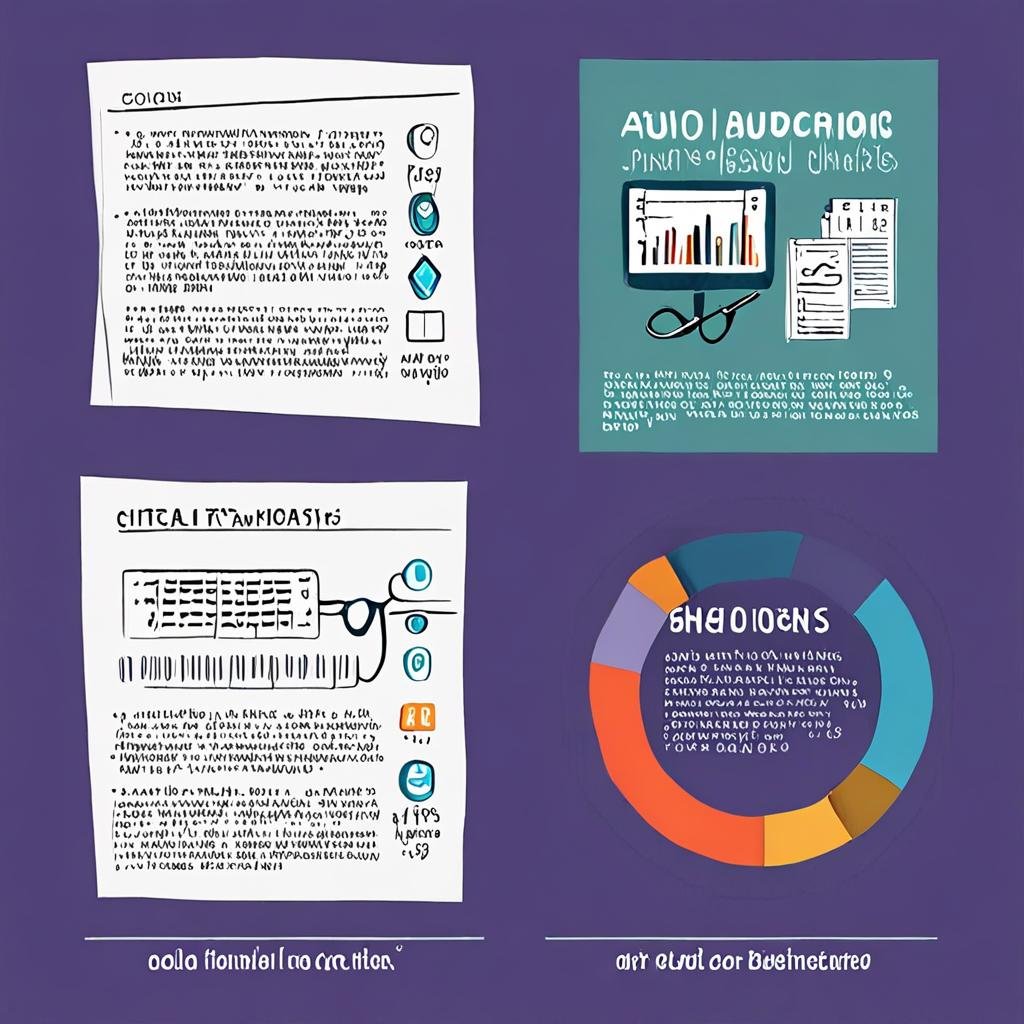
Understanding the workflow of a clean claim versus an error-prone claim is essential for operational success. A clean claim moves from documentation to coding, through a scrubbing engine, and directly to the payer for approval. In contrast, a claim with errors hits a bottleneck at the clearinghouse or payer portal. This requires manual intervention, re-coding, and re-submission, which triples the administrative cost of the claim. To streamline this, MarkLab Inc. integrates Medical Billing expertise with advanced technology to catch errors before they leave the office.

Quick Insights
- Utilize the highest level of specificity for all diagnosis codes to avoid automatic rejections.
- Regularly update your internal chargemaster to reflect the latest CPT and HCPCS changes.
- Perform internal audits quarterly to identify recurring patterns of documentation failure.
- Ensure all modifiers are supported by clear clinical notes within the patient record.
- Invest in continuous education for staff to keep pace with evolving payer policies.
Mistakes to Avoid
- Wrong: Using unspecified codes for chronic conditions to save time during entry. Correct: Documentation must support specific ICD-10 codes to prove medical necessity.
- Wrong: Billing separately for components of a major surgical procedure (unbundling). Correct: Use the global surgical package code as defined by CMS.
- Wrong: Ignoring updated telehealth coding guidelines during remote patient monitoring. Correct: Verify specific payer requirements for place of service codes and modifiers.
FAQs
How can a practice reduce coding denials effectively?
The most effective way to reduce coding denials is by implementing a pre-claim scrubbing process and providing regular feedback to providers regarding their documentation specificity.
What are the benefits of professional coding services?
Utilizing professional coding services ensures that certified experts handle your claims, which increases accuracy, reduces audit risks, and maximizes reimbursement levels for complex procedures.
Is AI medical coding reliable for clinical practices?
While AI medical coding can significantly speed up the processing of high-volume data, it requires human oversight from certified coders to manage nuanced clinical scenarios and complex modifiers.
How often should a practice review medical billing compliance?
Maintaining medical billing compliance requires at least an annual comprehensive audit, though quarterly reviews are recommended to catch shifts in payer behavior and federal regulations.
What impact does outsourced medical billing have on revenue?
Transitioning to outsourced medical billing often leads to a higher clean claim rate and lower overhead costs, as specialized firms have the resources to stay current on all coding changes.
What is the most common medical coding error?
Missing or incorrect modifiers and the use of unspecified diagnosis codes remain the most common errors that lead to immediate claim rejections and delayed payments.
How do telehealth coding guidelines differ from in-person visits?
Current telehealth coding guidelines require specific modifiers like GT or 95 and distinct place of service codes to differentiate remote services from traditional office encounters.
Why is accurate medical coding essential for RCM?
Attaining accurate medical coding is the foundation of the revenue cycle; without it, claims are denied, causing a cascade of administrative delays and reduced practice cash flow.
Can coding error prevention software replace human coders?
Effective coding error prevention software is a tool that assists coders, but it cannot replace the critical thinking and clinical knowledge required for complex specialty billing.
Do ICD-10 updates affect my current billing process?
Yes, annual updates to the code set mean that codes used previously may become invalid or require more specificity, necessitating regular updates to your electronic health record system.
Conclusion
Managing the intricacies of healthcare reimbursement requires a proactive stance against common errors. By prioritizing medical billing compliance and embracing a culture of accurate medical coding, practices can protect themselves from the financial drain of preventable denials. At MarkLab Inc., we specialize in refining your Revenue Cycle Management to ensure your practice remains profitable and compliant in an ever-changing regulatory environment. Whether you need help with Credentialing Services or a complete overhaul of your billing department, our team is ready to assist.
Ready to eliminate the errors that are costing your practice thousands? Contact MarkLab Inc. today to learn how our outsourced medical billing solutions can transform your financial performance and allow you to focus back on patient care.