Introduction
Navigating the complexities of CCM billing is essential for modern medical practices looking to improve patient outcomes while securing steady financial growth. As chronic conditions become more prevalent, the Centers for Medicare & Medicaid Services (CMS) have expanded opportunities for providers to receive compensation for non-face-to-face care. Mastering this process allows your clinic to capture lost revenue and provide the longitudinal support that high-risk patients require. This comprehensive guide will walk you through the essential steps, from understanding patient eligibility to selecting the correct codes, ensuring your practice maximizes its chronic care management potential. By following these evidence-based strategies, you can transform your care delivery model into a sustainable revenue generator.

Deep Explanation of CCM billing
The core of successful CCM billing lies in the systematic tracking of clinical staff time and the coordination of care for patients with multiple chronic conditions. CMS designed these codes to recognize the significant resources required to manage complex health needs outside of traditional office visits. To succeed, practices must maintain a rigorous internal tracking system that logs every minute spent on behalf of the patient, including phone calls, record reviews, and coordination with specialists.
Understanding CCM eligibility criteria
Before a practice can initiate services, they must ensure every patient meets the strict CCM eligibility criteria established by Medicare. To qualify, a patient must have two or more chronic conditions that are expected to last at least 12 months or until the death of the patient. These conditions must place the patient at significant risk of death, acute exacerbation, or functional decline. Common examples include hypertension, diabetes, and COPD. Providers must also obtain and document patient consent, which can be verbal or written, but must be noted in the electronic health record (EHR).
Chronic care management reimbursement and CPT Codes
To secure chronic care management reimbursement, providers must utilize the specific CPT code set designed for these services. The most common code is 99490, which covers the first 20 minutes of clinical staff time per calendar month. For more intensive cases, 99491 is used when a physician or qualified healthcare professional spends at least 30 minutes on care management. If the patient requires complex care management, codes 99487 and 99489 are applicable, covering 60 minutes and additional 30-minute increments respectively. Precise documentation of these minutes is the only way to safeguard your claims against audits.
Establishing CCM care plan requirements
Every enrolled patient must have a comprehensive care plan that is shared across the care team. Meeting the CCM care plan requirements involves creating a digital document that includes a problem list, expected outcomes, prognosis, and interventions. This plan is not a static document; it must be updated regularly to reflect the patient’s changing health status. Providing the patient with a copy of this plan is a mandatory step that many practices overlook, yet it is vital for compliance and patient engagement.

Real Examples / Case Study
Consider a mid-sized internal medicine practice in Ohio that struggled with stagnant revenue despite a high volume of geriatric patients. The practice realized they were performing hours of uncompensated work managing medications and specialist referrals. By partnering with professional Medical Billing experts, they implemented a structured CCM documentation guide to capture these efforts. Within the first six months, the practice enrolled 150 eligible patients. By consistently billing CPT 99490, they generated an additional $6,300 in monthly revenue, totaling over $75,000 annually. More importantly, their hospital readmission rates dropped by 12% because of more frequent touchpoints with high-risk individuals. They also utilized Revenue Cycle Management specialists to ensure their Credentialing Services were up to date, preventing any payment delays for new providers joining the program.
Visual Breakdown
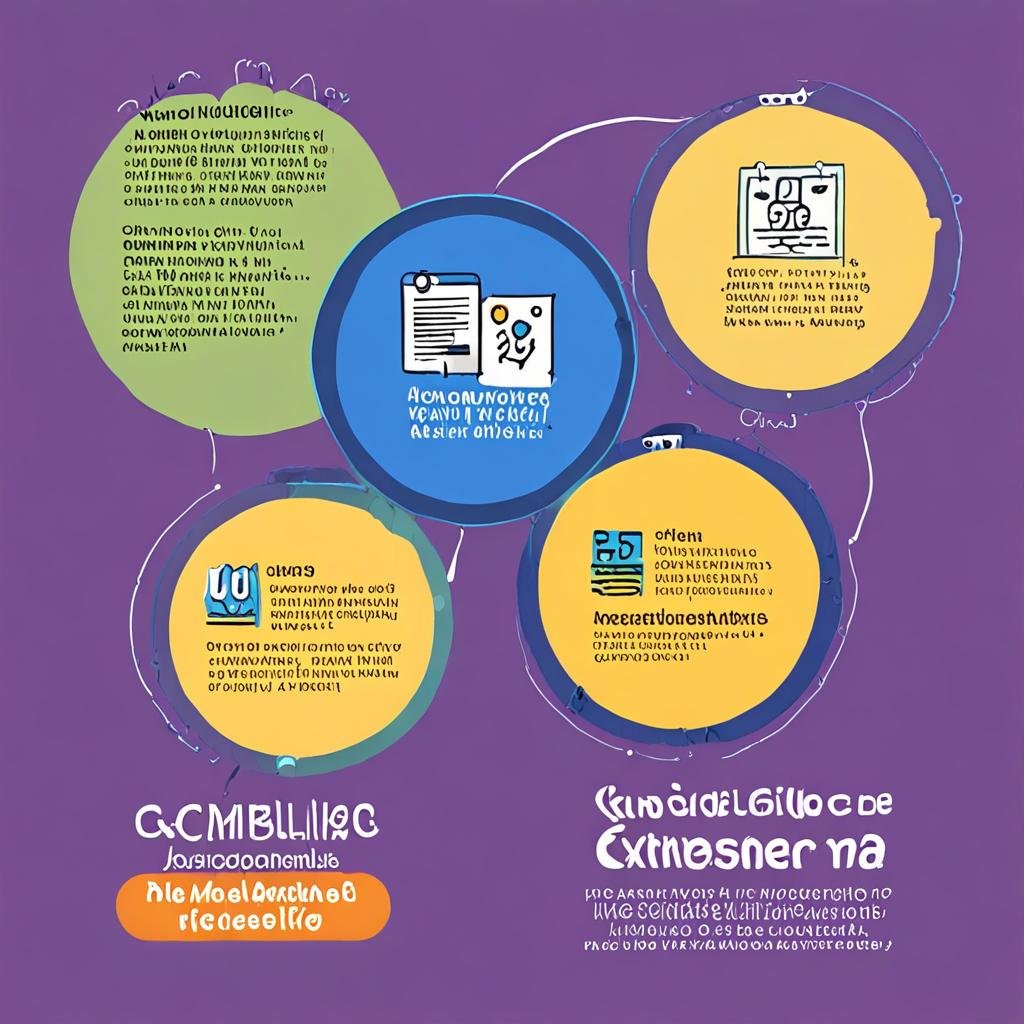
The workflow for virtual care management starts with the identification of eligible patients during an Annual Wellness Visit (AWV). Once the provider identifies the qualifying conditions, the staff obtains consent and initiates the comprehensive care plan. Throughout the month, clinical staff members log time spent on care coordination, such as calling the patient to check on medication adherence or communicating with home health agencies. At the end of the calendar month, the billing team aggregates the logged time. If the time meets the 20-minute threshold, the claim is submitted using the appropriate CPT code. This cycle repeats monthly, creating a predictable revenue stream and a continuous safety net for the patient.

Quick Insights
- Always secure and document patient consent before the first billing cycle to avoid denials.
- Utilize remote patient monitoring tools to supplement care management data and improve health outcomes.
- Ensure the care plan is accessible 24/7 to all clinicians involved in the patient’s care.
- Know how to bill CCM correctly by separating clinical staff time from physician time to use 99490 and 99491 accurately.
- Perform a monthly audit of time logs to ensure no minutes are carried over between months, as this is not permitted.
Mistakes to Avoid
- Failing to meet CCM care plan requirements: Do not simply list diagnoses; you must include specific goals and measurable interventions.
- Ignoring the CCM documentation guide: Documentation must be contemporaneous; do not try to reconstruct time logs at the end of the month from memory.
- Neglecting AI in CCM: Avoid manual tracking where possible; use smart software to automate time capture and reduce human error.
- Billing CCM and Transitional Care Management (TCM) in the same period: CMS generally prohibits billing these two services simultaneously for the same patient.
- Double-counting time: Clinical staff time used for one service cannot be used to satisfy the time requirement for another billed service.
FAQs
How do I start how to bill CCM for my practice?
To start how to bill CCM, identify eligible patients with two or more chronic conditions, obtain their documented consent, and track at least 20 minutes of non-face-to-face care management services per month.
What are the primary CCM eligibility criteria?
The CCM eligibility criteria require a patient to have two or more chronic conditions expected to last at least 12 months, which place the patient at significant risk of death or functional decline.
How does chronic care management reimbursement benefit a small clinic?
Small clinics benefit from chronic care management reimbursement by receiving monthly payments for work they already perform, such as medication management and specialist coordination, which improves cash flow.
Can virtual care management be provided via telehealth?
Yes, virtual care management is designed as a non-face-to-face service, meaning it is primarily delivered through telehealth, phone calls, and secure digital messaging systems.
Is remote patient monitoring billed with CCM?
While remote patient monitoring is a separate service, it can be billed in the same month as CCM, provided the time requirements for each service are met independently and not double-counted.
How does AI in CCM improve billing accuracy?
The use of AI in CCM helps practices by automatically flagging eligible patients and tracking clinical staff interactions in real-time, which reduces the risk of under-reporting billable time.
Why should I use professional revenue cycle management services for CCM?
Using professional revenue cycle management services ensures that your CCM claims are scrubbed for errors, time requirements are verified, and denials are appealed promptly to maintain consistent revenue.
What must be included in the care plan?
A compliant care plan must include a comprehensive list of health problems, goals, provider coordination details, medication management, and a schedule for periodic revisions.
How often can I bill for CCM services?
CCM services are billed once per calendar month, provided the minimum time threshold of 20 minutes for clinical staff or 30 minutes for physicians has been met and documented.
Can more than one provider bill for CCM?
No, only one provider or practice can bill for CCM services for a specific patient in a single calendar month, making coordination between specialists and primary care providers essential.
Conclusion
Implementing a successful CCM program is a strategic move that aligns patient health with financial performance. By strictly adhering to the documentation rules and understanding the specific CPT codes, your practice can secure a reliable source of monthly income while significantly improving the quality of care for your most vulnerable patients. The transition to value-based care requires tools and expertise that ensure every minute of care is accounted for and reimbursed. MarkLab Inc. is here to help you navigate these complexities and optimize your billing processes for maximum efficiency. Don’t let your hard work go uncompensated; take the first step toward a more robust financial future today.
Ready to maximize your practice’s revenue? Contact MarkLab Inc. today for a specialized consultation on our Revenue Cycle Management solutions and let us handle your CCM billing with expert precision.