Introduction
In the high-stakes world of modern medicine, gastroenterology billing presents a unique set of challenges that can determine the financial health of a practice. From understanding the nuances of screening versus diagnostic procedures to navigating the complex web of bundling rules, providers must be vigilant. At MarkLab Inc., we recognize that capturing every dollar earned requires more than just submitting claims; it requires a deep technical mastery of the specific codes and modifiers that define GI services. This guide will provide a comprehensive roadmap for optimizing your revenue cycle while ensuring compliance with the latest industry standards.

The Foundations of gastroenterology billing Success
The backbone of any successful GI practice is a rigorous adherence to GI coding guidelines. These guidelines differentiate between various types of endoscopic procedures, ensuring that the level of service provided matches the documentation. For instance, the selection between a colonoscopy and a sigmoidoscopy is primarily determined by the extent of the examination. A colonoscopy involves the examination of the entire colon from the rectum to the cecum, whereas a sigmoidoscopy only covers the rectum and sigmoid colon. Accurate documentation of the splenic flexure is often the turning point for code selection.
Mastering CPT codes for gastroenterology
When selecting CPT codes for gastroenterology, precision is paramount. For a diagnostic colonoscopy, code 45378 is the standard; however, if a biopsy is performed, the code shifts to 45380. If a snare technique is used for a polypectomy, 45385 is the correct choice. A common area of confusion lies in the distinction between screening and diagnostic procedures. For Medicare patients, a screening colonoscopy for a patient not at high risk is reported with G0121, while a high-risk patient is reported with G0105. When a screening procedure results in a biopsy or polypectomy, the billing must reflect the surgical intervention while still acknowledging the preventive intent through specific modifiers like PT or 33.

Effective medical billing for endoscopy also requires a clear understanding of bundling rules. Under the Correct Coding Initiative (CCI), many services are considered inclusive of the primary procedure. For example, conscious sedation was previously bundled into the GI codes but is now billed separately using codes 99152 and 99153. However, if a different provider, such as an anesthesiologist, provides the sedation, they must use the specific anesthesia codes like 00811 or 00812. Failure to understand these overlaps often leads to immediate claim denials or audits.
Real-World Application: Improving GI Revenue
Consider a multi-physician GI group that was experiencing a 15% denial rate on screening colonoscopies. After evaluating their processes, it was discovered they were failing to apply modifier 33 for commercial payers when a screening turned into a diagnostic procedure. By partnering with gastroenterology billing services, the practice implemented a new documentation review workflow. This change ensured that every time a polyp was removed during a screening, the claim was updated to reflect the surgical code with the correct preventive modifier.
The solution involved a total overhaul of their internal coding logic. Within six months, the group decided to outsource GI billing to specialized professionals who understood the minutiae of high-risk versus average-risk modifiers. The results were significant: the clean claim rate rose to 98%, and the overall practice revenue increased by 12% annually. This case highlights how technical precision in coding directly correlates with financial sustainability.
Visual Breakdown of Coding and Workflows
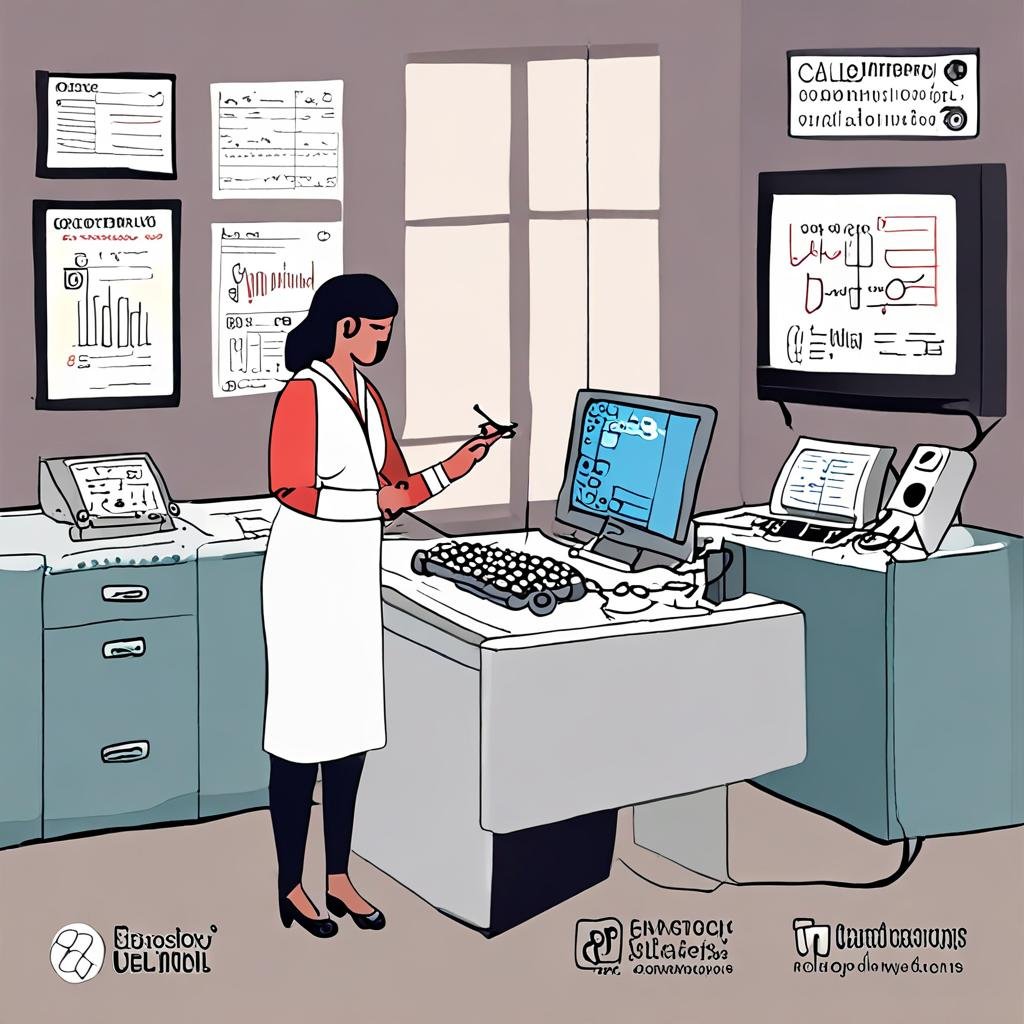
The workflow for RCM for gastroenterology involves several critical steps that must be synchronized. It begins at the front desk with insurance verification and prior authorization, especially for high-cost biologics or complex procedures like ERCP. Once the procedure is performed, the documentation must clearly state the depth of the scope and the specific tools used for any interventions. This documentation then feeds into the coding engine where AI-driven tools are increasingly playing a role. Utilizing AI in gastroenterology billing can help identify potential bundling errors before the claim is even submitted to the clearinghouse.

For example, a comparison between sigmoidoscopy and colonoscopy reveals significant reimbursement variances. While a sigmoidoscopy (45330) has a lower RVU (Relative Value Unit) than a colonoscopy (45378), the documentation requirements are equally strict. Practices must ensure they aren’t “upcoding” a sigmoidoscopy to a colonoscopy if the cecum wasn’t reached, unless they use modifier 53 for a discontinued procedure due to patient safety or technical difficulty.
Quick Insights for GI Practices
- Always document the anatomical landmarks reached (e.g., cecum, ileum) to justify the use of colonoscopy codes.
- Use modifier 53 when a colonoscopy is incomplete after the scope has passed the splenic flexure, but ensure the reason for discontinuation is clearly documented.
- Regularly review colonoscopy screening updates from CMS to ensure compliance with the latest age and frequency guidelines.
- Verify if the payer requires modifier PT (Medicare) or modifier 33 (Commercial) for screening-to-diagnostic conversions.
- Implement a robust gastroenterology revenue cycle management strategy that includes monthly denial analysis and staff training.
Common Mistakes to Avoid
- Wrong: Billing 45378 (Diagnostic) for a procedure where a biopsy was taken. Correct: Bill 45380 for the biopsy and ensure it is supported by the pathology report.
- Wrong: Overlooking the impact of MACRA and MIPS for GI on your overall reimbursement rates. Correct: Integrate quality reporting into your clinical workflow to avoid negative payment adjustments.
- Wrong: Failing to outsource GI billing tasks when internal staff are overwhelmed, leading to a backlog in AR. Correct: Partner with specialists to ensure consistent follow-up on aged accounts.
Frequently Asked Questions
What is the primary difference between a screening and a diagnostic colonoscopy?
A screening is performed on an asymptomatic patient based on age or risk, while a diagnostic procedure is performed to evaluate specific symptoms or follow up on a previous finding.
When should I use modifier 33?
Modifier 33 is used for commercial insurance to indicate that a preventive service was provided, ensuring the patient does not face cost-sharing, even if a polyp is removed.
What are the most common CPT codes for gastroenterology used daily?
The most frequent codes include 45378 (Diagnostic), 45380 (Biopsy), 45384 (Hot forceps polypectomy), and 45385 (Snare polypectomy).
How does AI in gastroenterology billing reduce denials?
AI identifies patterns in payer behavior and flags potential coding errors, such as unbundled services or missing modifiers, before the claim leaves the office.
What is the importance of RCM for gastroenterology?
It ensures that the entire process, from patient scheduling to final payment, is optimized for maximum efficiency and cash flow.
What are the latest colonoscopy screening updates?
Recent updates have lowered the recommended starting age for average-risk screenings from 50 to 45, which impacts both scheduling and insurance coverage.
How do MACRA and MIPS for GI affect my practice?
These programs track quality measures; high performance can lead to incentive payments, while poor performance or non-participation results in decreased reimbursement.
Why should I consider GI coding guidelines when documenting?
Clear documentation based on these guidelines is your best defense in an audit and ensures that you are paid fairly for the complexity of the work performed.
Is medical billing for endoscopy more complex than general surgery?
Yes, due to the high volume of preventive services and the specific rules regarding surgical interventions during screening scopes.
How does medical billing for endoscopy handle anesthesia?
Anesthesia for GI is billed separately, often using codes 00811 or 00812, depending on whether the scope was upper, lower, or both.
Conclusion
Mastering the complexities of gastroenterology billing services is an ongoing journey that requires technical expertise and constant vigilance. By staying informed about GI coding guidelines and leveraging modern technology, practices can protect their revenue and focus on what matters most: patient care. Whether you are navigating the nuances of colonoscopy screening updates or optimizing your gastroenterology revenue cycle management, the goal remains the same—compliance and financial health.

If your practice is struggling with rising denials or inefficient processes, it may be time to consult with the experts. At MarkLab Inc., we offer specialized Medical Billing and Revenue Cycle Management solutions tailored to the unique needs of gastroenterologists. Our team also provides comprehensive Credentialing Services to ensure your providers are always ready to bill. Contact us today to learn how we can streamline your operations and maximize your returns.