
Introduction
In the complex world of medical billing, managing claim payments and patient responsibilities effectively is crucial for any healthcare practice. Two fundamental documents govern this process: the Electronic Remittance Advice (ERA) and the Explanation of Benefits (EOB). While both serve the purpose of detailing how a payer has processed a claim, understanding the distinction between ERA vs EOB is paramount for optimizing your revenue cycle. For billing staff transitioning to electronic workflows, grasping these differences is not just beneficial—it’s essential for boosting efficiency, accuracy, and overall financial health. This guide will illuminate the nuances of ERA and EOB, provide practical steps for ERA enrollment and reconciliation, and highlight the transformative efficiency gains of embracing electronic remittance.

Deep Explanation of ERA vs EOB
The core difference between an ERA and an EOB lies in their format and primary audience. An EOB is a paper document sent to the patient, explaining what their insurance covered for a medical service and what their financial responsibility is. It’s often accompanied by a check if a payment is issued directly to the patient. Conversely, an ERA vs EOB refers to an electronic data interchange (EDI) transaction, specifically the 835 transaction, which is an electronic version of the EOB.
What is an ERA (835 Transaction)?
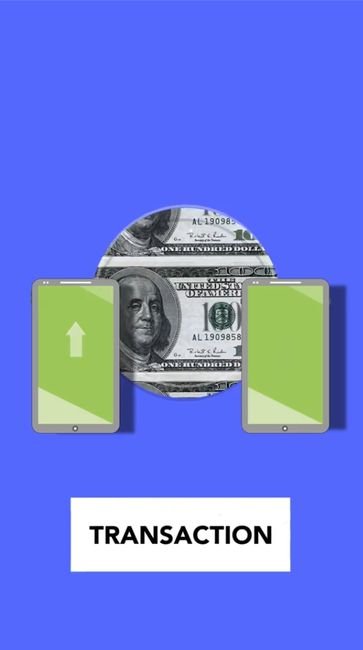
An ERA, or 835 transaction, is a machine-readable file sent directly from the payer to the healthcare provider. This electronic file contains detailed information about how a claim (or multiple claims) has been paid or denied. It includes patient details, service dates, charges, allowed amounts, applied deductibles, co-insurance, co-pays, and adjustments. The primary advantage of an ERA is its ability to be automatically posted into practice management or medical billing software, significantly reducing manual data entry and errors.
What is a Paper EOB?
A paper EOB serves the same informational purpose as an ERA but in a physical format. It arrives via mail, typically includes a paper check, and requires manual processing by billing staff. This involves opening mail, sorting, manually entering payment details into the practice management system, and then physically filing the EOB. This process is time-consuming, prone to human error, and less efficient compared to electronic methods.
How to Enroll for ERA with Major Payers
Enrolling for ERAs can vary slightly by payer, but the general process involves completing specific forms and sometimes establishing an EDI connection. Major payers like Medicare, Medicaid, and commercial insurance companies typically have dedicated portals or departments for ERA enrollment. It usually requires your provider’s NPI, Tax ID, and bank account information for Electronic Funds Transfer (EFT). Many providers opt for clearinghouse services to streamline this enrollment and manage multiple payer connections simultaneously. Ensuring your practice is set up for efficient EDI/EFT/ERA processes is a critical step towards modernizing your billing operations.
How ERA Auto-Posts in Practice Management Software
The real power of an ERA lies in its auto-posting capability. Once an ERA file is received (often through a clearinghouse), compatible practice management software can automatically match payments to open claims, apply adjustments, and update patient account balances. This automation dramatically accelerates payment posting, reduces clerical work, and allows billing staff to focus on exceptions rather than routine data entry. The system flags discrepancies, enabling focused review.
Real Examples / Case Study
MarkLab Inc. recently partnered with a mid-sized orthopedic clinic struggling with manual EOB processing. The clinic had 5,000 claims per month, dedicating two full-time employees solely to payment posting and reconciliation. This manual process led to an average payment posting delay of 7-10 days and a 3% error rate, resulting in revenue leakage and frustrated billing staff.
Challenge: Slow, error-prone manual EOB posting and reconciliation processes hindering cash flow and staff productivity.
Solution: MarkLab Inc. implemented a comprehensive transition to electronic workflows, including ERA enrollment with all major payers and integration of ERA auto-posting into the clinic’s existing practice management software. We provided extensive training for their billing team on new electronic accelerated payment posting and reconciliation protocols.
Results: Within three months, the clinic achieved an 85% reduction in manual payment posting time. The error rate dropped to less than 0.5%. Payment posting delays were virtually eliminated, with most payments posting within 24-48 hours. This efficiency gain allowed the clinic to reallocate one full-time employee to focus on denied claims and complex accounts receivable, directly contributing to a 5% increase in net collections over six months.
Visual Breakdown
Transitioning from paper EOBs to ERAs streamlines the entire payment posting and reconciliation workflow. The table below illustrates a simplified comparison of the two processes, highlighting the key steps and efficiencies gained by adopting ERAs.
| Feature | Paper EOB Workflow | ERA Workflow (835 Transaction) |
|---|---|---|
| Document Delivery | Mail (physical delivery) | Electronic (EDI transmission) |
| Processing Method | Manual data entry | Automated software posting |
| Payment Posting Speed | Days to weeks | Hours to 1-2 days |
| Error Rate | Higher (human error) | Lower (system-driven) |
| Staff Focus | Routine data entry | Exception handling, claim follow-up |

Quick Insights
- Automate Everything Possible: Leverage ERA auto-posting to its fullest potential to minimize manual data entry for routine payments.
- Proactive ERA Enrollment: Don’t wait; actively enroll with all your major payers for ERA and EFT.
- Train Your Team: Ensure billing staff are well-versed in handling ERA exceptions and managing the electronic reconciliation process efficiently.
- Regular Reconciliation: Even with automation, regularly reconcile ERAs with bank deposits to catch any discrepancies promptly.
- Clear Communication: Maintain clear communication channels with your clearinghouse and payers for smooth ERA transmission and troubleshooting.
Mistakes to Avoid
- Wrong: Relying solely on manual EOB processing for all payers. Correct: Prioritize ERA enrollment for major payers and transition to electronic workflows wherever possible.
- Wrong: Neglecting to reconcile ERAs with bank statements, assuming auto-posting is flawless. Correct: Implement a robust reconciliation process to verify all electronic payments against bank deposits, identifying any payment posting issues.
- Wrong: Ignoring denied claims information within ERAs, only focusing on payments. Correct: Utilize ERA denial codes to quickly identify trends, appeal denied claims, and refine your streamlined claim submission process.
- Wrong: Not updating practice management software for ERA compatibility. Correct: Ensure your software is current and configured correctly to maximize auto-posting capabilities for ERA vs EOB processing.
FAQs
What is the primary difference between an ERA and an EOB?
An ERA is an electronic document providing payment details to providers, while an EOB is a paper document sent to patients, explaining their insurance benefits.
How does an ERA benefit a medical practice?
ERAs automate payment posting, reduce manual errors, speed up reconciliation, and improve cash flow, leading to significant efficiency gains.
Is an 835 transaction the same as an ERA?
Yes, the 835 transaction is the standardized electronic data interchange (EDI) format for the Electronic Remittance Advice (ERA).
Can all payers send ERAs?
Most major government and commercial payers offer ERAs, but some smaller payers may still only provide paper EOBs.
What is ERA auto-posting?
ERA auto-posting is the automated process where medical billing software reads an ERA file and applies payments and adjustments to patient accounts without manual intervention.
How do I enroll for ERA?
Enrollment typically involves contacting each payer directly or using a clearinghouse, providing your NPI, Tax ID, and EFT banking information.
What happens if an ERA has exceptions?
Exceptions, such as mismatched claims or unusual adjustments, require manual review and resolution by billing staff within the practice management system.
Do I still need to reconcile payments with ERAs?
Yes, reconciliation is crucial to ensure that all electronic payments received match the corresponding bank deposits and that accounts are accurately balanced.
Can ERAs help with denied claims?
Absolutely. ERAs contain denial codes that explain why a claim was denied, allowing for faster identification and resolution of issues, improving optimizing your revenue cycle management.
What is the future of ERA vs EOB in medical billing?
The trend is moving strongly towards electronic remittance, with ERAs becoming the standard due to their efficiency and automation capabilities.
Conclusion
The journey from manual paper EOBs to automated ERAs is more than just a technological upgrade; it’s a strategic imperative for modern healthcare practices. Embracing the ERA (835 transaction) not only streamlines your payment posting and reconciliation processes but also significantly reduces administrative burden, minimizes errors, and accelerates your cash flow. By understanding the critical differences between ERA vs EOB and actively transitioning to electronic workflows, your billing staff can operate with unprecedented efficiency, allowing them to focus on complex tasks that truly impact your practice’s financial health. Don’t let outdated paper processes hold you back. MarkLab Inc. specializes in guiding healthcare providers through this digital transformation, ensuring seamless integration and optimal revenue cycle performance. Request a personalized demo today and discover how we can help your practice thrive in the electronic age of medical billing.